Butterfly Safety Products / Journal
The Vital Role of **Oncology Hospitals** in Modern Healthcare
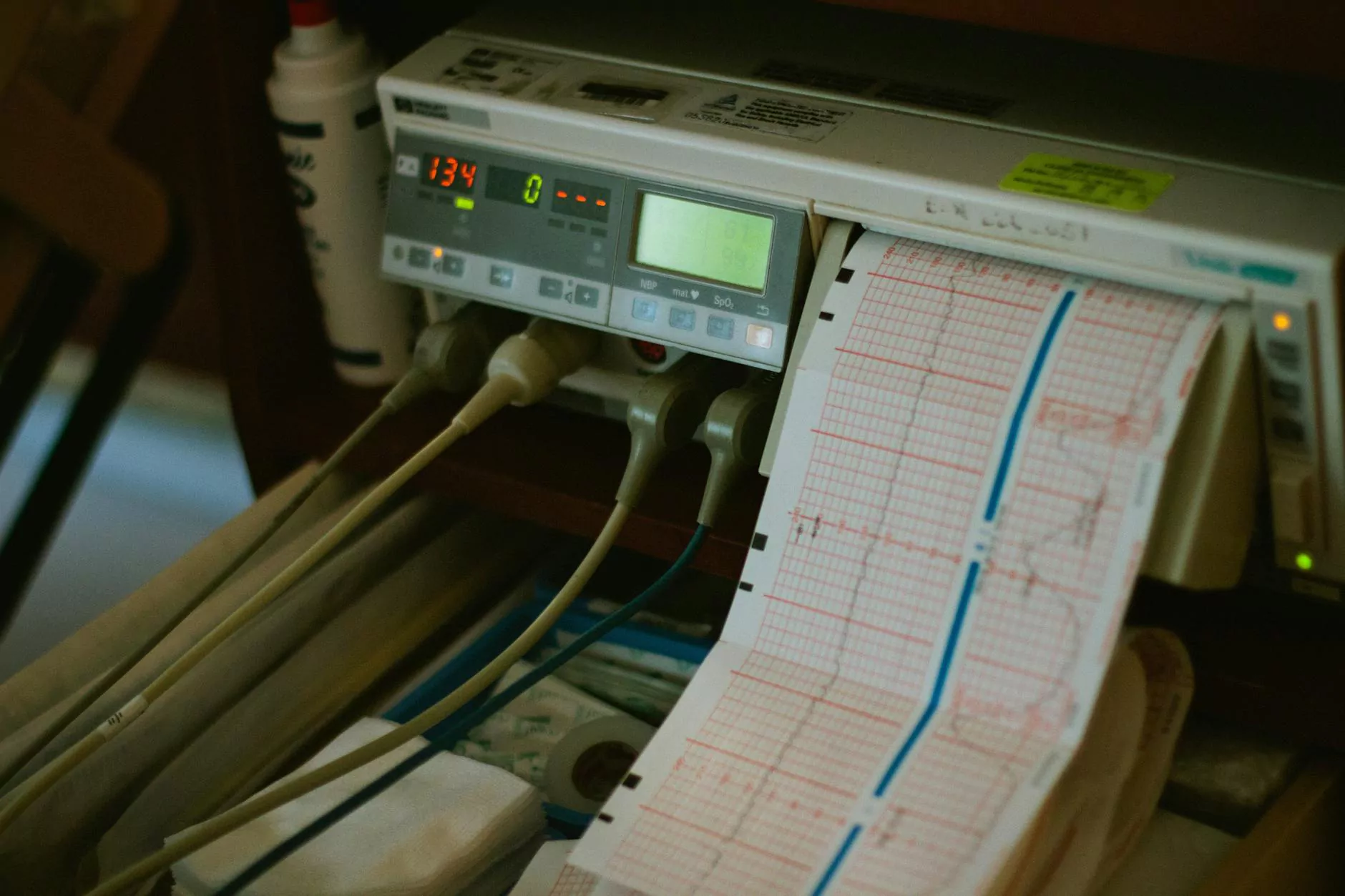
Oncology hospitals are specialized medical facilities dedicated to the comprehensive treatment of cancer, a complex group of diseases that requires meticulous care and advanced expertise. These hospitals serve essential functions, not only in treatment but also in research, prevention, and palliative care. This article delves into the critical aspects of oncology hospitals and emphasizes their importance in the broader medical landscape.
What is an Oncology Hospital?
An oncology hospital is a healthcare institution that focuses specifically on diagnosing, treating, and managing cancer. These hospitals are equipped with advanced technology and staffed by specialists, including oncologists, surgeons, radiologists, pathologists, and nurse practitioners. The primary goal of these facilities is to provide targeted therapies that are tailored to individual patient needs.
Components of an Oncology Hospital
Several key components are integral to the functioning of an oncology hospital, including:
- Diagnostic Services: Advanced imaging and laboratory tests to accurately diagnose cancer.
- Treatment Facilities: Comprehensive treatment options, including chemotherapy, radiation therapy, immunotherapy, and surgical procedures.
- Research and Clinical Trials: Hospitals often conduct clinical trials, providing patients access to cutting-edge therapies.
- Support Services: Psychological support, nutrition counseling, pain management, and palliative care are essential services offered.
The Importance of Specialized Care in Oncology
Oncology is a highly specialized field. Cancers can vary greatly in type, progression, and response to treatment, making it crucial that patients receive care from professionals experienced in oncologic medicine. An oncology hospital offers a multidisciplinary approach, ensuring that patients benefit from various experts working together.
The Multidisciplinary Team Approach
The treatment of cancer often requires a multifaceted approach. An oncology hospital employs a team of specialists, which typically includes:
- Medical Oncologists: Experts in chemotherapy and other systemic treatments.
- Radiation Oncologists: Specialists who administer radiation therapy.
- Surgical Oncologists: Surgeons who perform operations to remove tumors.
- Pathologists: Professionals who analyze tissue samples to diagnose cancer.
- Nurses: Trained to provide care, education, and support throughout the treatment process.
Advanced Technologies in Oncology Hospitals
Oncology hospitals are at the forefront of incorporating advanced technologies that enhance treatment outcomes. These technologies include:
Targeted Therapies
Targeted therapies focus on specific molecular targets associated with cancer. By doing so, they minimize damage to healthy cells and improve effectiveness. An oncology hospital provides access to these innovative treatments, which can significantly improve patient outcomes.
Radiation Therapy Innovations
Modern radiation therapy techniques, such as Stereotactic Body Radiation Therapy (SBRT) and Intensity-Modulated Radiation Therapy (IMRT), allow for higher precision in targeting tumors while sparing surrounding healthy tissue. This precision can help reduce side effects and improve patient quality of life.
Immunotherapy
Immunotherapy is a revolutionary approach that utilizes the body’s immune system to fight cancer. Oncology hospitals often offer access to novel immunotherapeutic agents, providing patients with cutting-edge treatment options.
Patient-Centric Care at Oncology Hospitals
Patient experience is foundational to the mission of oncology hospitals. These institutions prioritize not only the medical needs of patients but also their emotional and psychological well-being.
Support Systems in Place
Patient support systems may include:
- Counseling Services: Emotional support to help patients and families cope with the challenges of a cancer diagnosis.
- Nutritional Guidance: Dietitians specialized in tailoring nutrition plans to meet the needs of cancer patients.
- Survivorship Programs: Focused on the long-term health and support of cancer survivors.
The Role of Research in Oncology Hospitals
Research is a vital component of the healthcare ecosystem, particularly in the field of oncology. Oncology hospitals contribute to significant advances in cancer treatment through research and clinical trials.
Clinical Trials: Pioneering New Treatments
Participating in clinical trials allows patients to access the latest treatment options while contributing to essential research that may benefit future patients. Oncology hospitals often have dedicated staff to guide patients through the clinical trial process, ensuring informed choices are made.
Preventive Care and Early Detection
One of the most significant advances in the fight against cancer is the emphasis on prevention and early detection. Oncology hospitals play a crucial role in educating the public about cancer risk factors and promoting screening programs.
Community Education and Outreach
Outreach initiatives by oncology hospitals often include:
- Screening Programs: Providing free or subsidized screenings for high-risk populations.
- Educational Workshops: Sessions that educate the community on cancer prevention, recognition of early symptoms, and the importance of regular check-ups.
- Support Groups: Facilitating peer-led groups for cancer patients and their families.
Future Prospects for Oncology Hospitals
As the landscape of cancer treatment continues to evolve, oncology hospitals are poised to adapt and lead innovations in care. With ongoing advancements in medical technology, personalized medicine, and a deeper understanding of cancer biology, the future holds promise for improved cancer care and outcomes.
Integrative Approaches to Oncology Care
There is a growing recognition of the importance of integrative approaches in oncology, combining conventional treatments with therapy options that support overall wellness, such as:
- Aromatherapy: Utilizing essential oils to alleviate stress and improve emotional well-being.
- Mindfulness and Meditation: Techniques that help patients manage anxiety and promote relaxation.
- Physical Therapy: Designed to help patients regain strength and mobility following treatment.
Conclusion
Oncology hospitals are indispensable in the healthcare landscape, offering critical services that go far beyond mere medical treatment. With a commitment to advanced care, research, and patient support, these institutions are not only combating cancer today but also paving the way for future generations. As we move forward, the collaboration of specialized professionals and the embrace of cutting-edge technologies will continue to redefine the journey of cancer care, ensuring that patients receive nothing less than the best.