Butterfly Safety Products / Journal
Enhancing Business Efficiency and Security with Air Track & Trace: A Definitive Guide for Shipping Centers, Transportation, and Airports
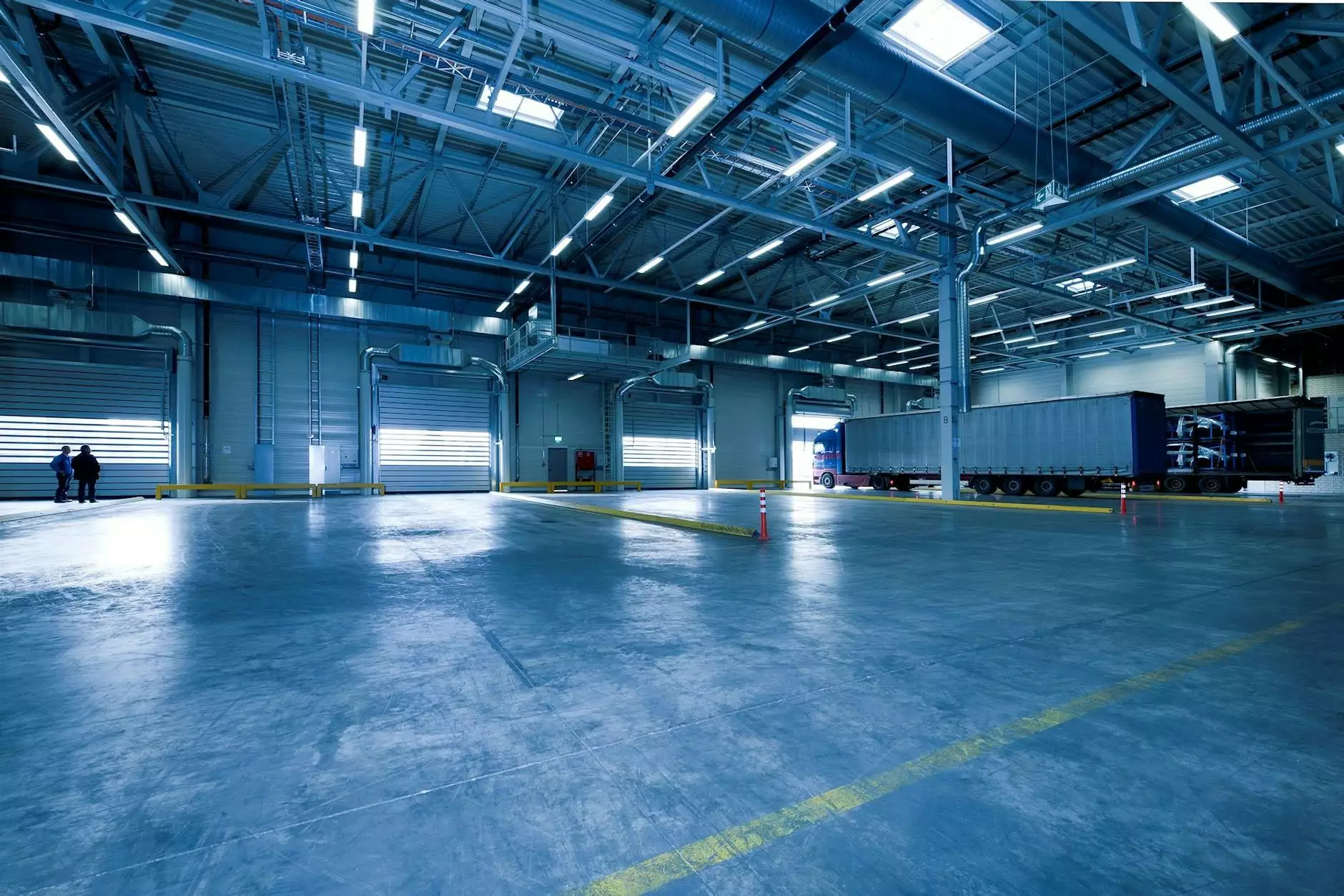
In today's fast-paced and highly interconnected global economy, the importance of efficient tracking and management of shipments cannot be overstated. Businesses involved in shipping centers, transportation logistics, and airport operations are continually seeking innovative solutions to improve visibility, security, and operational efficiency. Among the most revolutionary advancements in this domain is the deployment of air track & trace technology.
What is Air Track & Trace and Why is it Critical for Modern Business?
Air track & trace refers to sophisticated tracking systems specifically designed for air freight, cargo, and logistical operations. It provides real-time data about the location, status, and condition of shipments during transit. With the integration of GPS, RFID, barcoding, and IoT devices, this technology empowers companies to seamlessly monitor their cargo from origin to destination.
In the realm of shipping centers, transportation networks, and airports, the capacity to track air shipments meticulously enhances operational efficiency, reduces theft, prevents delays, and facilitates predictive analytics. Overall, this leads to *cost savings*, increased customer satisfaction, and a significant competitive edge in the logistics industry.
The Evolution of Air Logistics Tracking: From Manual to Digital Solutions
A Brief History of Cargo Tracking
Historically, cargo tracking relied heavily on manual record-keeping, physical checks, and paper-based documentation. These methods, while pioneering at the time, were often prone to errors, delays, and lost information. As global trade expanded and demand for timely deliveries surged, the need for automated and digitized tracking systems became apparent.
The Rise of Digital Tracking Technologies
Today, air track & trace incorporates advanced digital tools such as GPS, RFID, Bluetooth beacons, and IoT sensors to provide instantaneous visibility into cargo status. These innovations have dramatically transformed the logistics landscape, turning shipping centers and airports into data-driven ecosystems that operate with precision and agility.
Key Components of Effective Air Track & Trace Systems
- Global Positioning System (GPS): Offers real-time location data that can monitor aircraft, trucks, or cargo containers globally.
- Radio Frequency Identification (RFID): Enables automatic identification and data collection for cargo, reducing manual checks.
- Barcode Systems: Provide a cost-effective way to tag and verify shipments at various checkpoints.
- Internet of Things (IoT) Devices: Sensors that track environmental conditions such as temperature, humidity, and shocks, especially vital for sensitive shipments like pharmaceuticals or perishables.
- Integrated Software Platforms: Centralized dashboards that compile data from multiple sources, delivering comprehensive insights and analytics.
Benefits of Implementing Air Track & Trace in Your Business
Enhanced Operational Visibility
Having real-time insights into shipment location and status enables businesses to make informed decisions swiftly. This transparency minimizes surprises, allows for proactive handling of issues, and boosts overall supply chain resilience.
Improved Security and Fraud Prevention
Tracking systems help in detecting anomalies—such as unauthorized stops or deviations—thus protecting shipments from theft, diversion, or tampering.
Faster Response Times and Customer Satisfaction
By providing accurate delivery estimates and instant updates, companies can manage customer expectations more effectively, leading to higher satisfaction and repeat business.
Cost Reduction and Efficiency Gains
Optimized routing, reduced manual logistics, and early problem detection translate into significant cost savings. The automation of tracking reduces administrative burdens and human error.
Regulatory Compliance and Documentation
Accurate tracking and data recording help businesses meet strict customs, safety, and regulatory standards, simplifying audits and compliance procedures.
Implementing Air Track & Trace: Best Practices for Shipping Centers, Transportation, and Airports
Assess Your Needs and Goals
Determine the specific requirements of your operations such as shipment volume, environmental sensitivities, and customer expectations. Establish clear objectives for what your tracking system should achieve.
Select the Right Technology and Partners
Invest in reliable RFID tags, GPS devices, and IoT sensors compatible with your infrastructure. Collaborate with technology providers who specialize in customized air freight tracking solutions.
Integrate Systems Seamlessly
Ensure your tracking systems integrate smoothly with existing software such as warehouse management, ERP, and customer portals for holistic visibility.
Train Staff and Establish Protocols
Educate your personnel on the proper use of tracking tools, data entry, and incident response strategies. Make standard operating procedures accessible and clear.
Monitor and Optimize Continuously
Utilize analytics to identify bottlenecks and inefficiencies. Regularly update your technology stack and workflows to keep pace with industry advancements.
The Future of Air Track & Trace: Trends and Innovations
- Artificial Intelligence (AI) and Machine Learning: Predictive analytics that forecast delays or disruptions before they occur.
- Blockchain Integration: Secure, tamper-proof ledgers for tracking shipment history and ownership transfer.
- Enhanced IoT Sensors: More sophisticated sensors providing real-time environmental monitoring for sensitive cargo.
- Automation and Robotics: Using drones and automated vehicles to streamline sorting, pickup, and delivery processes.
- 5G Connectivity: Enabling faster, more reliable data transmission for real-time tracking across vast distances.
Choosing the Right Partner for Your Air Track & Trace Needs
When selecting a provider, consider companies like cargobooking.aero that specialize in air cargo logistics, offering comprehensive tracking solutions tailored to your business. Look for features such as scalable technology, robust security measures, and excellent customer support.
Conclusion: Unlocking Business Potential with Air Track & Trace
Adopting advanced air track & trace systems is no longer just an option but a necessity for businesses aiming to thrive in the highly competitive logistics landscape. By leveraging these innovative solutions, companies in shipping centers, transportation, and airports can enhance transparency, security, and operational efficiency, leading to superior service delivery and increased profitability.
As the industry continues to evolve with the integration of AI, IoT, and blockchain technologies, organizations that embrace these innovations early will position themselves at the forefront of the logistics revolution. Whether you're managing cargo at a bustling airport or coordinating complex international shipments, the strategic implementation of air track & trace will unlock new levels of productivity and customer satisfaction.
Invest in the future today and experience the transformative power of cutting-edge tracking systems to elevate your business to new heights.