Butterfly Safety Products / Journal
In-Depth Insights into the Benefits of Bilateral Salpingo-Oophorectomy
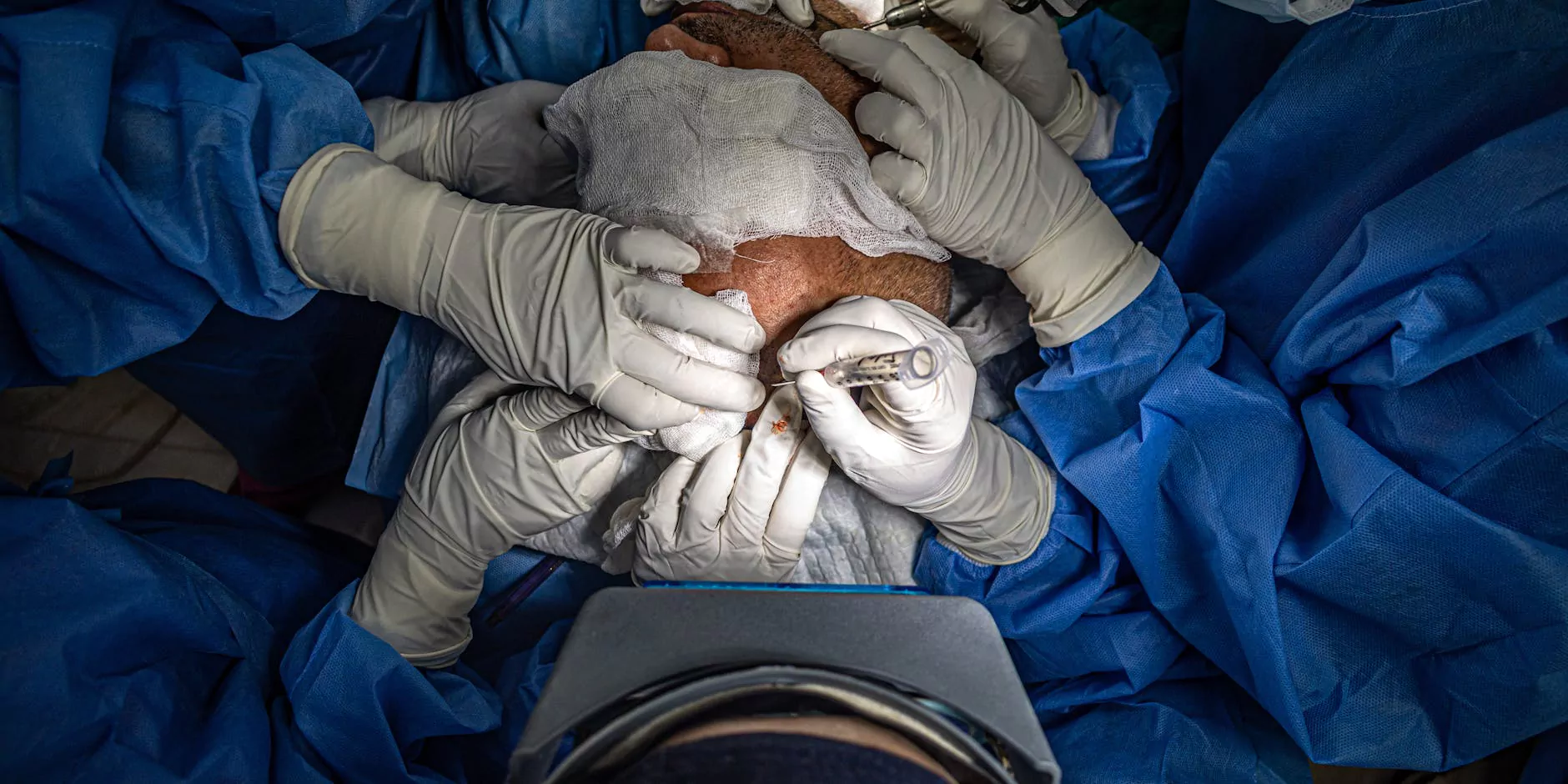
Bilateral salpingo-oophorectomy (BSO) is a surgical procedure involving the removal of both fallopian tubes (salpingectomy) and ovaries (oophorectomy). This operation is often recommended by leading obstetricians and gynecologists for women at increased risk of ovarian and fallopian tube cancers, or as part of preventive health strategies to enhance overall well-being. While traditionally associated with cancer risk reduction, the benefits of bilateral salpingo-oophorectomy extend far beyond oncology, offering a variety of health advantages that can positively impact a woman's life. This comprehensive guide aims to detail these benefits, their implications, and why consulting experienced specialists like those at drseckin.com can be instrumental in making informed health decisions.
Understanding the Benefits of Bilateral Salpingo-Oophorectomy
A bilateral salpingo-oophorectomy is a significant surgical intervention that can be life-changing for many women. The decision to undergo this procedure typically involves careful evaluation of personal health risks, age, family history, and other factors. However, when deemed appropriate, the procedure offers numerous tangible benefits that extend beyond mere cancer prevention.
1. Significant Reduction in Ovarian and Fallopian Tube Cancer Risk
One of the most compelling benefits of bilateral salpingo-oophorectomy is the marked decrease in the risk of developing ovarian and fallopian tube cancers. Women carrying BRCA1 and BRCA2 gene mutations are particularly vulnerable to these cancers; hence, prophylactic BSO often becomes a recommended preventative measure. Removing the ovaries and fallopian tubes effectively eliminates the primary sites where these cancers originate, substantially lowering lifetime cancer risk. Research-backed evidence demonstrates that women who undergo BSO reduce their ovarian cancer risk by up to 80-90%, which can be life-saving for high-risk individuals.
2. Prevention of Breast Cancer in High-Risk Populations
For women with a strong family history of breast cancer, particularly those with BRCA mutations, bilateral salpingo-oophorectomy can also indirectly lower breast cancer risk. The removal of the ovaries diminishes hormonal stimulation (such as estrogen production), which is associated with hormone-dependent breast cancers. As a result, women can experience a significant decrease in breast cancer incidence, especially when the procedure is performed before menopause.
3. Alleviation of Symptoms Related to Ovarian Cysts and Endometriosis
Beyond cancer prevention, bilateral salpingo-oophorectomy can provide relief from chronic ovarian cysts, endometriosis-associated pain, and other gynecological conditions. Removing affected ovaries and fallopian tubes can lead to a substantial reduction in symptoms like pelvic pain, bloating, and discomfort, improving daily function and quality of life.
4. Potential to Reduce Risk of Other Gynecological Cancers
Ovarian and fallopian tube cancers are part of a broader category of gynecologic malignancies. By removing both structures, bilateral salpingo-oophorectomy also diminishes the likelihood of developing certain other cancers such as primary peritoneal carcinoma, which can be difficult to detect early and often carries poor prognosis.
5. Postoperative Hormonal Impact and Menopause
One of the notable benefits of bilateral salpingo-oophorectomy is the induction of menopause if performed before natural menopause. This transition, though profound, can be managed effectively with hormone replacement therapy (HRT), which helps mitigate menopausal symptoms like hot flashes, osteoporosis, and cardiovascular risks. For women approaching menopause, BSO may be a strategic step to prevent future health issues related to hormonal fluctuations. However, the decision to undertake BSO at a younger age should be made with careful consideration of hormonal implications and individualized risk assessments conducted by experienced gynecologists.
Comprehensive Health Benefits of Bilateral Salpingo-Oophorectomy
In addition to reducing specific cancer risks, bilateral salpingo-oophorectomy offers several broader health benefits:
- Lowered risk of cardiovascular disease: Postmenopausal hormonal changes can increase cardiovascular risks; BSO-induced menopause may influence this, making early intervention and HRT crucial for some women.
- Decreased risk of osteoporosis: While menopause accelerates bone loss, proactive management with calcium, vitamin D, and weight-bearing exercises can maximize bone health after BSO.
- Improved mental health and well-being: Relief from gynecological pain and anxiety about cancer risk can significantly enhance quality of life.
- Enhanced reproductive planning: Preemptive removal allows women to plan their reproductive health and minimize uncertainties about ovarian cancer diagnosis and treatment.
Is Bilateral Salpingo-Oophorectomy Right for You?
Deciding on bilateral salpingo-oophorectomy is highly personal and should be based on comprehensive consultation with an experienced gynecology specialist. Factors influencing this decision include:
- Age and menopausal status
- Family and personal medical history
- Genetic predisposition, especially BRCA mutations
- Existing gynecological health issues
- Reproductive plans and hormonal health considerations
Advanced diagnostics, genetic testing, and personalized health assessments by reputable obstetricians & gynecologists can help identify whether BSO aligns with your health goals.
Understanding the Surgical Procedure and Recovery
Bilateral salpingo-oophorectomy is performed under general anesthesia, usually through minimally invasive techniques such as laparoscopy. The procedure typically lasts 1-2 hours, depending on individual circumstances. Postoperative care involves pain management, activity restrictions, and monitoring for complications. Women often experience a quick recovery period, returning to normal activities within a few weeks. It is vital to have ongoing follow-up care, especially if ovarian hormonal function is affected. Hormone replacement therapy may be prescribed to manage menopausal symptoms, and regular screenings are recommended to maintain overall health.
Long-Term Considerations and Lifestyle Adjustments
While bilateral salpingo-oophorectomy offers significant health advantages, it also necessitates lifestyle adjustments. Implementing a balanced diet rich in calcium and vitamin D, engaging in regular weight-bearing exercise, and maintaining mental health are essential components of post-surgical wellness. Additionally, ongoing dialogue with your healthcare provider ensures that your hormonal health and overall well-being are appropriately managed.
Partnering with Experienced Specialists for Optimal Outcomes
To maximize the benefits of bilateral salpingo-oophorectomy and ensure a safe, effective procedure, it is crucial to partner with experienced gynecologists and obstetricians who specialize in women’s health and preventive oncology. Dr. Seckin’s clinic provides personalized consultations, advanced surgical techniques, and comprehensive postoperative care designed to support women in making empowered health decisions.
Conclusion: Embrace Proactive Women’s Health Strategies
The benefits of bilateral salpingo-oophorectomy are diverse, impactful, and significant for women aiming to optimize their health and reduce disease risks. From cancer prevention to alleviating chronic gynecological conditions and managing menopausal health, BSO can be a transformative step in a woman’s health journey. However, approach this decision with careful consultation, personalized assessment, and expert guidance. Reach out to experienced professionals like those at drseckin.com for thorough evaluations and tailored health solutions.
Embrace proactive health strategies today for a healthier, more empowered tomorrow.


